Cheer Mom Time Design Review
First Impressions: A Lighthearted Cheer Mom Motif
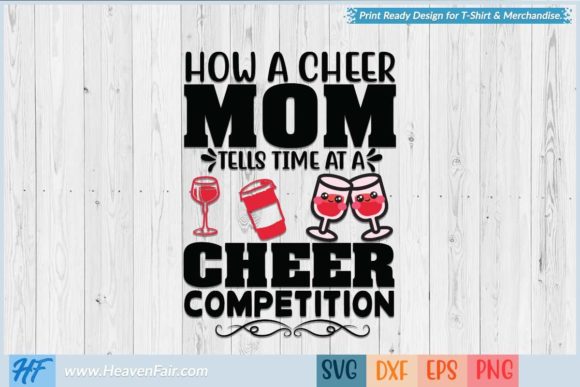
When I first opened the files for How a Cheer Mom Tells Time at a Cheer Co, I was struck by the playful, spirited energy of the design. It’s clearly aimed at cheerleading moms and families involved in the cheer world — a niche that’s both passionate and loyal. The layout is clean, with a clock motif cleverly integrated into the cheerleading theme. The fonts are bold yet friendly, and the overall visual tone feels warm, personal, and just a little cheeky. It’s the kind of design that invites a smile, which is perfect for handmade gifts or boutique-style merchandise.
Real-World Use: From Sweatshirts to Tote Bags
I decided to test this design on a few different materials to see how it would hold up in real-life embroidery projects. Starting with a medium-weight cotton tote bag, I used a basic tear-away stabilizer and standard polyester thread. The stitch-out was clean and clear, with no distortion in the lettering or clock graphic. The satin stitches held their shape well, and the fill stitches were dense enough to give a finished look without puckering the fabric.
Next, I tried it on a fleece sweatshirt — a common item for custom embroidery. I switched to a cutaway stabilizer and adjusted the tension slightly. The result was solid, with the design standing out nicely against the textured fabric. The clock motif scaled well, and the color contrast between the thread and fabric was effective without being overwhelming.
I also tested it on a baby onesie, using a lightweight knit fabric. Here, I found that a lightweight stabilizer and a slower stitching speed helped maintain fabric integrity. The design came out crisp, and the playful nature of the theme made it a hit with the parents I showed it to.
Where to Use It Carefully
While the How a Cheer Mom Tells Time at a Cheer Co design is versatile, there are some applications where extra care is needed. For example, if you're working with a small hoop size, you may need to simplify or resize the design to avoid losing detail. The corners of the clock and the smaller text elements can get lost if scaled down too much.
On stretchy fabrics like spandex or performance wear, I recommend using a high-quality stabilizer and possibly adding a topping to prevent distortion. The same goes for curved surfaces like baseball caps — the design’s straight layout doesn’t naturally conform to a curved surface, so some adjustment or placement consideration is necessary.
Dark fabrics also require attention. I tested it on black cotton and found that the default thread colors didn’t pop as much as I’d hoped. Swapping in a brighter accent color or adding a white underlay improved visibility significantly. For layered garments like hoodies, make sure the inner layer doesn’t shift during stitching, which could cause misalignment.
Design Impact: Visual Appeal and Marketability
This design brings a lot to the table when it comes to visual appeal. The clock motif is unique in the cheer mom niche, which is often filled with generic “Cheer Mom” text or pom-pom graphics. By incorporating a functional element like a clock, it adds a layer of creativity that sets it apart from similar designs.
From a product value standpoint, it’s a great option for Etsy sellers and small craft businesses. It reads as a personalized gift — perfect for birthdays, holidays, or end-of-season cheer gifts. The design also lends itself well to boutique branding, especially for shops targeting cheer families or school spirit events.
Customer trust and engagement are boosted when a design looks professionally stitched and thoughtfully placed. This one delivers on both counts. The clarity of the stitch work, combined with the recognizable theme, makes it easy to photograph and market. Buyers are more likely to trust and purchase items that look polished and intentional.
Designer Notes: Practical Tips for Best Results
Before using this design in a client project or product listing, here are a few practical tips I picked up during testing:
- Test on scrap fabric first — especially if you're using an unfamiliar material or stabilizer combination.
- Check thread color contrast — don’t assume the default colors will work on every fabric. Try a few combinations before stitching the final piece.
- Review stitch density — if the design feels too heavy or too light, adjust accordingly for the fabric type.
- Confirm hoop size — make sure the design fits within your machine’s hoop dimensions without distortion.
- Inspect small details — the clock numbers and smaller text may need tweaking if you’re resizing.
- Test in black and white mockups
- Compare light and dark backgrounds — the design may need color adjustments depending on the fabric.
- Use proper stabilizer — match the stabilizer type to the fabric for best results.
- Check licensing — confirm whether the design can be used for commercial sale or if it’s limited to personal use.
One thing I always recommend is checking the file formats provided. This design includes SVG, EPS, PNG, and DXF files, which is great for flexibility. Whether you’re digitizing your own embroidery file or using it as-is, having multiple formats ensures compatibility with various software and machines.
Final Thoughts: A Cheer Mom’s Favorite Accessory
Overall, the How a Cheer Mom Tells Time at a Cheer Co design is a solid choice for embroidery designers and craft sellers who want to add a niche-specific, fun design to their lineup. It’s well-structured, visually engaging, and adaptable to a variety of projects — from custom apparel to holiday gifts.
If you're an Etsy seller or run a small handmade shop, this design could easily become a staple in your seasonal offerings. It has the right balance of humor and craftsmanship to appeal to both casual buyers and cheer families looking for meaningful keepsakes.
As with any embroidery file, take the time to test it thoroughly before mass production or client work. But once you do, you’ll likely find it’s a design that not only stitches well but also tells a story — and that’s what makes it truly valuable.