MOM Sublimation: A Designer’s Real-World Review
First Impressions: Clean, Warm, and Ready for Personalization
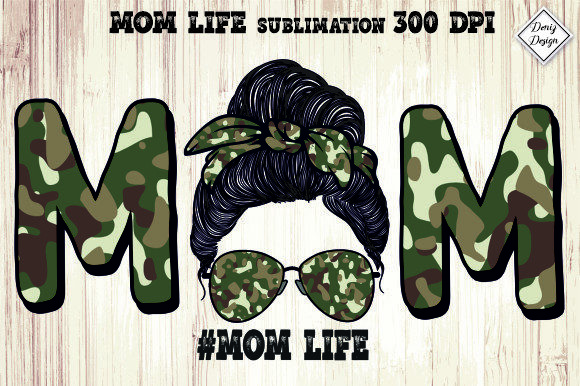
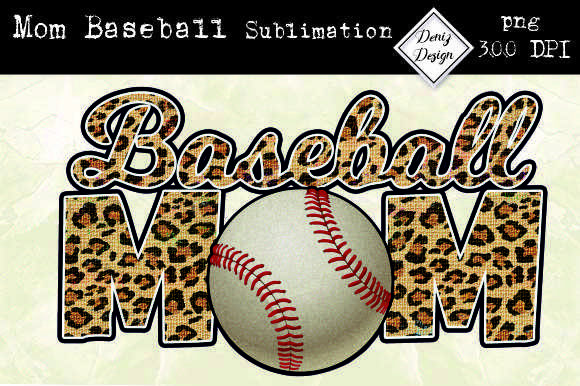
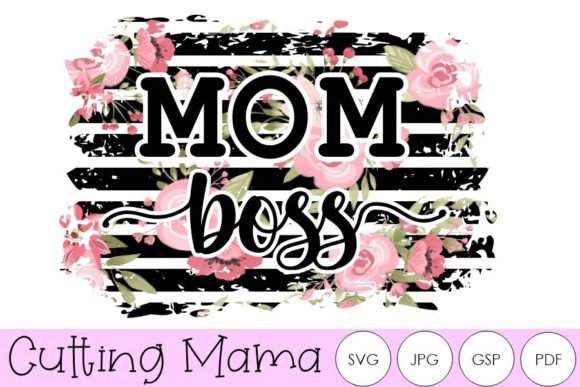
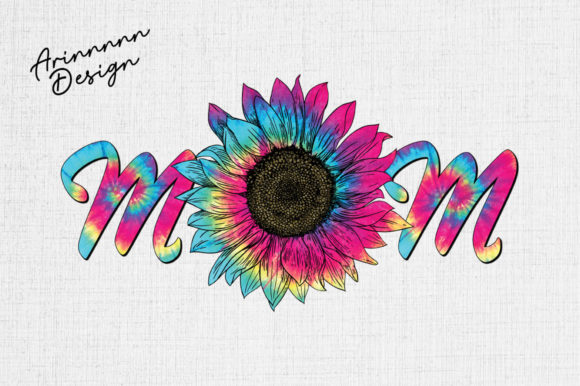
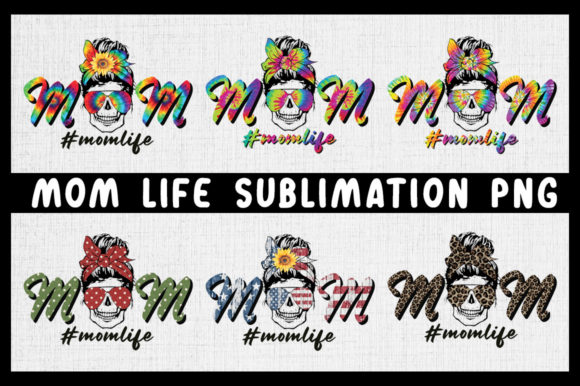
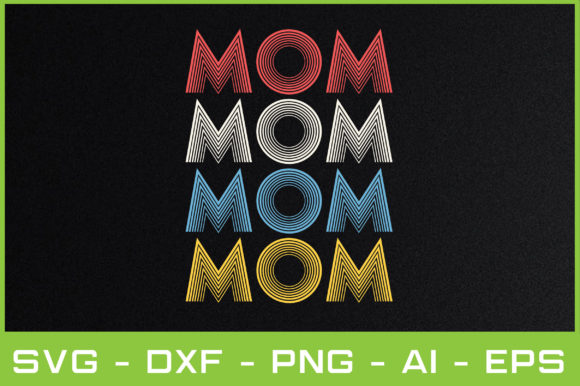
Opening the MOM Sublimation files, the first thing that stands out is the clean, modern aesthetic. It’s a minimalist yet emotionally rich design centered around the word “MOM,” clearly aimed at celebrating motherhood in a subtle, elegant way. The font choice feels soft yet strong—like a visual nod to the quiet power of motherhood. This isn’t a flashy design, but it carries a warmth that makes it ideal for sentimental projects.
The layout is balanced, with enough negative space to avoid feeling cluttered, and just enough detail to make it visually engaging without being overwhelming. It feels like a design that was crafted with intention—not just for decoration, but for connection. It’s the kind of embroidery that invites customization, perfect for a gift that’s meant to be cherished.
Real-World Use: Where MOM Sublimation Shines
I tested the design on a few different project types to see how it holds up in actual embroidery scenarios. Here’s how it performed:
- Custom Tote Bags: The design scaled well and stitched cleanly on cotton canvas. It added a boutique-level finish that would appeal to Etsy sellers or small craft businesses.
- Sweatshirts & Hoodies: The font remained legible and soft against thick fleece, which is a win for wearable keepsakes.
- Baby Onesies: Worked surprisingly well when resized down slightly. The simplicity of the design helped maintain clarity on tiny garments.
- Pillow Covers: A natural fit. The clean lines translated beautifully onto linen and cotton blends, giving a handmade but polished look.
- Holiday & Wedding Gifts: Paired with a satin stitch border or a floral applique accent, this design elevates the perceived value of personalized gifts.
It also performed well as a printable mockup asset, especially the PNG and JPEG files. For digital product sellers or Etsy shop owners, being able to preview the design on product templates without distortion is a big plus.
When to Be Cautious: Fabric, Size, and Detail Considerations
While versatile, MOM Sublimation isn’t a one-size-fits-all embroidery file. Here are a few situations where extra care is needed:
- Small Hoop Sizes: The design works best when given enough space. Shrinking it too much can cause the letters to lose definition, especially in dense satin stitch areas.
- Textured or Stretchy Fabrics: On knits or ribbed materials, the design can pucker slightly if stabilizer isn’t used properly.
- Dark Fabrics: The light-colored thread options (based on mockups) may not stand out as clearly without a color test. Always preview in black and white or reverse the design for contrast checks.
- Curved Surfaces (like caps): The design’s flat layout doesn’t naturally adapt to curved shapes. Extra digitizing or layout adjustments may be needed for caps or curved patches.
- Detailed Corners: Some of the finer corners in the lettering can get lost in thick fabrics or with overly dense stitching. Keep an eye on stitch density settings.
Visual Appeal and Marketability
From a visual standpoint, MOM Sublimation adds a subtle elegance to any project. It’s not overly ornate, which makes it more versatile for different customer tastes. Whether used in a boutique gift shop or a personalized keepsake line, it elevates the presentation of the finished product.
For small business owners and Etsy sellers, this design can help build brand consistency when used across a line of “Mom”-themed items—especially during seasonal events like Mother’s Day or holiday gift seasons. It’s clean enough to print on product mockups and recognizable enough to become part of a cohesive product identity.
From a buyer engagement perspective, it taps into an emotional market. People don’t just buy embroidered items—they buy meaning. MOM Sublimation delivers that in a quiet, tasteful way.
Designer Notes: Practical Tips for Using MOM Sublimation
If you’re planning to use this design in a real embroidery project—whether for personal use or resale—here are a few practical tips from my experience:
- Test on Scrap Fabric: Always run a test stitch-out before committing to your final material, especially if you’re working with stretchy or textured fabrics.
- Check Thread Color Contrast: Don’t assume the default colors will work for your fabric. Test the design in different thread shades to ensure visibility and aesthetic harmony.
- Review Stitch Density: If you notice any areas where the satin stitches are too tight or the fill stitches are too sparse, adjust accordingly for better fabric compatibility.
- Confirm Hoop Size: Make sure the design fits your hoop before stitching. If you need to resize, do so carefully to maintain clarity.
- Inspect Small Details: The corners of the letters can be delicate. Zoom in digitally and check how they translate on your embroidery machine preview.
- Test in Black & White: Especially helpful for checking contrast on dark or patterned fabrics.
- Use Proper Stabilizer: A medium-weight tear-away or cut-away stabilizer works best for most fabrics. Avoid using too light a stabilizer on stretchy materials.
- Check Licensing: Since this is a digital embroidery file, confirm whether it can be used for commercial purposes or resale of finished items. Always read the license terms before selling products made with the design.
Final Thoughts: A Thoughtful Addition to Your Embroidery Kit
MOM Sublimation is more than just a machine embroidery design—it’s a meaningful design asset that can elevate your embroidery projects with minimal effort. Whether you’re creating personalized gifts, boutique-style apparel, or digital mockups for product listings, this design brings a quiet elegance that’s hard to find in mass-produced graphics.
For embroidery designers and small business owners, it offers a versatile, emotionally resonant option that can be adapted across multiple product types. Just be mindful of fabric choices, hoop size, and color contrast, and you’ll get the most out of this design.
In short, MOM Sublimation earns a solid place in my digital embroidery file collection—not just for its aesthetic value, but for its real-world usability across a variety of craft and commercial applications.